Recycling in the steel industry - the environmentally friendly process from scrap to new steel
Lukas Fischer 29/08/2024 ·
11 min read
This article takes a closer look at the role of recycling in the steel industry. It explains how the recycling process works, which technologies are used and what challenges and opportunities recycling brings to this industry. It also looks at the legal framework and guidelines that influence the recycling process in the steel industry.
What is Recycling?
A Cornerstone of Sustainability
Recycling is a central component of sustainable resource use and environmental policy. It refers to the process of collecting, processing, and returning waste materials to the production cycle to create new products. This process helps reduce the amount of waste that ends up in landfills while simultaneously minimizing the use of natural resources.
Recycling in the Steel Sector
In today’s world, where pollution and resource scarcity are among the most significant global challenges, sustainable industrial production is of critical importance. The steel industry plays a key role in this regard. Steel is one of the most widely used materials globally, and its sustainable production can significantly contribute to reducing the environmental footprint.
By implementing modern recycling processes, companies can substantially reduce the demand for new raw materials. This is not only beneficial from an ecological perspective but also offers economic advantages by reducing costs and increasing resource efficiency.
From Scrap to a New Product
Closed Loops: Closing Material Cycles
The concept of closed-loop recycling is of particular importance in recycling. This describes a closed cycle in which materials can be recycled repeatedly without losing quality. Metals like aluminum and steel are pioneers in this field. They can be recycled almost infinitely without losing their structural or chemical properties, making them ideal for a circular economy where waste is minimized.
The Swiss Steel Group pursues a multifaceted approach to optimizing the use of scrap in steel production as part of its efforts to drive the green transformation in Europe. This strategy is crucial for minimizing the company’s carbon footprint and aligns with its commitment to environmental responsibility. A central element of this strategy is closing material cycles in collaboration with customers. In an innovative step, the Swiss Steel Group has initiated scrap return programs from its customers. This not only aids in recycling but also strengthens customer relationships through shared environmental goals and closed supply chains.
Steel is one of the most widely used materials globally and plays a central role in numerous industries. Thanks to its unique properties—particularly its durability and recyclability—steel can be returned to the scrap cycle and reused after its life cycle as a product. This process requires significantly less energy than producing new steel from raw materials, thereby substantially reducing CO2 emissions. Recycled steel is melted and processed into new products, which can, in turn, be recycled at the end of their life cycle—a nearly perfect closed loop.
Closed-loop recycling of metals is not only environmentally sensible but also reduces dependency on new raw materials, which are increasingly difficult to access and more expensive. Additionally, it conserves resources and mitigates the environmental impacts of raw material extraction, such as habitat destruction and pollution of water and air.
The Recycling Process in the Steel Industry
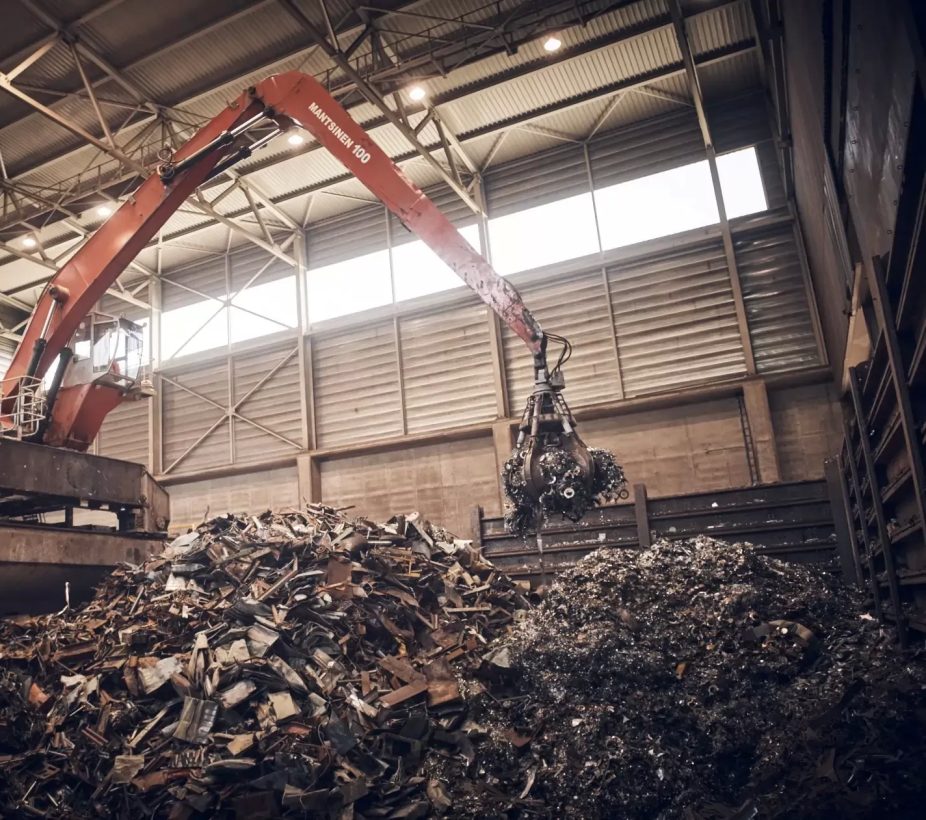
The recycling process in the steel industry is a complex, multi-step procedure aimed at returning steel waste to the production cycle. This process begins with the collection and sorting of steel scrap, which comes from various sources such as old metals, vehicles, building remnants, and production waste. The collected scrap is sorted by quality and composition to ensure that the recycled material meets the required standards.
After sorting, the steel scrap is melted in an Electric Arc Furnace (EAF) at the Swiss Steel Group.
Technological Advancements and Sustainability
In general, there are two established methods of steel production: one involves using iron ore and coking coal to produce steel in blast furnaces, and the other involves melting steel scrap in Electric Arc Furnaces (EAF). The Swiss Steel Group exclusively uses EAF technology. Thus, the Swiss Steel Group is already employing a future steel production technology. Our EAF and scrap-based production do not require coking coal, which results in lower direct emissions than the blast furnace route.
An important aspect of scrap recycling is the recovery and reuse of alloying elements such as chromium, nickel, and molybdenum, which are often found in stainless steels. By strategically using alloyed scraps, the need for new, energy-intensive primary raw materials is reduced. The Swiss Steel Group prioritizes the use of internal scrap in its production processes, improving efficiency and sustainability within its operations, and aims to reduce externally purchased scrap, further lowering transportation efforts and CO2 emissions. A key focus is the careful sorting of scrap to more precisely reintegrate it into production. These concerted efforts help reduce the Scope 3 (upstream) footprint and reinforce the company’s leadership in the green transformation of the steel industry.
The recycling process in the steel industry is not only an example of efficient resource use but also a crucial step toward more sustainable industrial production. Through continuous innovations and optimizations, this process is being steadily improved to become even more environmentally friendly and economical.
Recycling in the Steel Industry - Challenges & Solutions
Recycling in the steel industry offers numerous benefits, but there are also a number of challenges that need to be addressed. These challenges concern technical, economic, and regulatory aspects of the recycling process.
Scrap Quality: One of the main difficulties in the recycling process is ensuring the quality of the scrap used. Contaminants can impair the quality of recycled steel. To guarantee high-quality end products, precise sorting of the scrap is necessary.
Market Situation: The availability and prices of steel scrap can fluctuate significantly, affecting the economic viability of the recycling process. Price volatility in raw material markets and competitive conditions pose a major challenge in securing the best possible supply of scrap.
Energy Consumption: Although using steel scrap is more energy-efficient than producing new steel from raw materials, the recycling process still requires a significant amount of energy. Operating melting furnaces demands substantial amounts of energy.
Regulatory Requirements: The steel industry is subject to strict environmental regulations, which can vary from country to country. These regulations cover emissions from production and the disposal of waste. Companies must ensure that their recycling processes comply with these regulations, adding administrative burdens and costs.
Legal Frameworks
Legal frameworks and guidelines play a crucial role in steel recycling. Many countries have stringent regulations that specify how and to what extent steel must be recycled. These regulations not only serve environmental protection but also ensure that recycled steel meets the same quality standards as new steel.
On an international level, various agreements and initiatives promote steel recycling. One example is the Basel Convention, which governs the cross-border movement of hazardous wastes, including certain types of steel scrap. These regulations aim to prevent harmful materials from being exported to countries lacking the necessary infrastructure for safe processing.
In the European Union, specific directives regulate steel recycling. The EU Waste Framework Directive, for instance, requires member states to ensure that certain materials, including steel, are recycled as much as possible. Additionally, there are specific regulations for the treatment and recycling of vehicles and electronic devices, which often contain significant amounts of steel. These directives aim to increase recycling rates and minimize the environmental impact of steel production.
On a national level, many countries implement their own laws and regulations that go beyond international and European requirements. In Germany, for example, the Circular Economy Act (KrWG) regulates recycling and waste management. It stipulates that waste, including steel scrap, must be reused or recycled as much as possible before disposal is allowed. This legislation promotes higher recycling rates and supports companies in implementing more sustainable practices.
Environmental Impact: Recycling & Green Steel
Recycling has far-reaching positive effects on the environment, particularly in the steel industry, where it can make a significant difference in reducing environmental impacts. This section explores the ecological benefits of steel recycling and how it contributes to mitigating environmental burdens, with a particular focus on Swiss Steel Group's Green Steel, which advocates for more environmentally friendly steel production.
Reduction of CO2 Emissions: One of the greatest environmental benefits of recycling in the steel industry is the significant reduction in CO2 emissions. Producing steel from recycled scrap in electric arc furnaces generates far less CO2 compared to producing new steel in blast furnaces using iron ore and coking coal. This contributes significantly to mitigating the greenhouse effect and supports global climate goals. The Swiss Steel Group aims to promote environmentally produced green steel with low carbon emissions, helping our customers and partners make a greater contribution to climate change mitigation.
Conservation of Natural Resources: By using recycled steel, the need to mine new raw materials like iron ore is reduced. This conserves natural resources and reduces the environmental impact of mining, such as habitat destruction and pollution of water and air. The continuous use of recycled steel helps reduce the ecological footprints of raw material extraction. However, this assumes the adequate availability of scrap, so there will still be a need for primarily produced steel. With our broad portfolio of Green Steel products, our customers can select the most suitable products for their path to a sustainable future. We offer tailored solutions for a variety of customers and support many industries on their way to decarbonization.
Waste Reduction: Recycling significantly reduces the amount of waste that would otherwise end up in landfills. Steel scrap that is reused not only returns to the production cycle but also reduces the need to generate new waste. This helps extend the lifespan of landfills and reduces the burden of waste disposal.
Promoting the Circular Economy: Recycling promotes the principles of the circular economy, where materials are reused and recycled after their life cycle to minimize waste, conserve resources, and avoid intermediate transportation and storage processes. The steel recycling process contributes to a closed-loop system where steel is continuously used and recycled, further reducing environmental impacts. Our Green Steel Climate+ products, manufactured exclusively with energy from renewable sources like wind or solar power, have an even smaller carbon footprint and help our customers operate more sustainably. Additionally, with Green Steel Stainless+, we offer stainless steel products made of at least 90% recycled scrap.
The positive impact of recycling on the environment goes beyond reducing emissions and energy consumption; it also plays a vital role in sustainability and resource conservation. Swiss Steel Group was awarded the German Sustainability Award 2024 for its sustainable efforts and received a Silver Medal from EcoVadis in February 2024. These accolades reflect our commitment to sustainable development and enhance our reputation in the industry. Additionally, Swiss Steel Group has committed to setting company-wide emission reduction targets in line with climate science through the Science Based Targets initiative (SBTi). We have developed and submitted our decarbonization goals based on the 1.5°C steel targets.
Through continuous improvements and innovations in the recycling process, the steel industry can further improve its environmental footprint and make a significant contribution to environmental protection.
Conclusion
The Importance of Steel Recycling in Today's World
In a world increasingly shaped by the challenges of climate change and resource scarcity, steel recycling and the development of environmentally friendly products like Green Steel are gaining importance. The steel recycling process is one of the most effective methods to minimize the ecological footprint of steel production while conserving valuable resources.
Resource Conservation Through Recycling
Recycling steel offers significant environmental benefits, including the reduction of CO2 emissions, energy savings, and the conservation of natural resources. The use of recycled steel not only reduces the need for mining new raw materials but also helps decrease the amount of waste that would otherwise end up in landfills. By promoting a circular economy, a closed-loop system is created that significantly enhances the sustainability of steel production.
Swiss Steel Group's Leadership in the Green Transformation
Swiss Steel Group is taking a leading role in this transformation process. With our Green Steel, we are setting benchmarks for more environmentally friendly steel production. By using electric arc furnaces and recycled steel, we significantly reduce carbon emissions and actively contribute to lowering global greenhouse gas emissions. Our products, such as Green Steel Climate+ and Green Steel Stainless+, provide solutions for customers aiming to meet their own sustainability goals, underscoring our commitment to a sustainable future.
Looking Ahead: Joint Commitment to Sustainability
Ongoing technological advances, the use of renewable energy, and the integration of digitalization and smart manufacturing processes will continue to transform the steel industry. These developments will help improve recycling efficiency and further reduce the environmental footprint of steel production.
In conclusion, recycling and sustainable steel production are critical elements in moving towards a more environmentally friendly and resource-efficient future. The challenges of the coming years will require a collective commitment from all stakeholders—from industry to policymakers to consumers—to fully leverage the benefits of recycling and drive sustainable development forward.